
Explore Latest Posts
More Articles

The Essence of Integral Yoga
Traditionally there are five separate Yogas. Each, like a spoke of a wheel, leads to the hub, to oneness or union with the Divine. Hatha, the way of the body; Raja, the way of the mind; Karma, the way of service; and Bhakti, the way of the heart. “Some people think...
Jnana Yoga and Vedanta in the Yoga Sutras
We learn from our study of Yoga and Vedanta that their goals are one and the same: realization of the true Self. Both sages Veda Vyasa, and Sri Patanjali, in his Yoga Sutras, taught that by cultivating viveka (discriminative discernment) the cause of suffering...
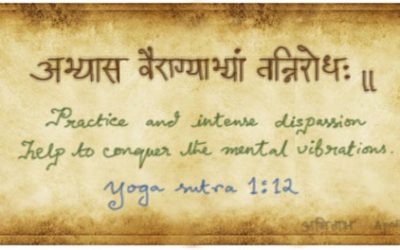
The Relationship Between Yoga & Vedanta
Dr. David Frawley (Pandit Vamadeva Shastri), a regular contributor to Integral Yoga Magazine, is one of the few westerners recognized in India as a Vedacharya or teacher of Vedic wisdom. In this interview, he clearly illustrates the relationship between Yoga and...
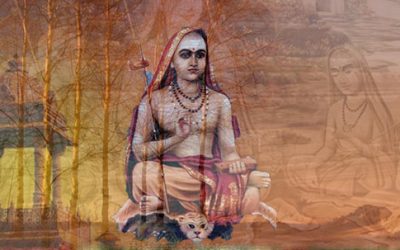
The Jnana Yoga of Adi Shankara
Sri Adi Shankara is considered to have shaped the Hindu religion for the 1200 years following his disappearance from the world at age 32 in the early part of the ninth century. Having brought forth the advaita philosophy in its fully systematized and polished form, he...

What Does Self-Realization Mean to You?
At a satsang in New York some years ago, I raised the question, “What matters most to you?” I spoke about the importance of clarifying what we value and reflecting on the ultimate purpose of our lives. Speaking to a group of yogis, I was not surprised that someone...
When Work Is Worship
Work is worship. Work is meditation. Serve all with intense love without any idea of agency and without expectation of fruits or reward. You will realise God. Service of humanity is service of God. Work elevates when done in the right spirit without attachment or...
Yama & Niyama: A Psychospiritual Perspective
Maharishi Patanjali prescribed inner and outer purification as a prerequisite for pursuing the path of Yoga. Yama, or the five abstinences, might be described as enlightened self-control. Niyama, or the five observances, might be defined as self-regulation. In this...
Patanjali’s Raja Yoga
Patanjali’s Yoga system is written in sutras. A sutra is a terse verse. It is an aphoristic saying. It is pregnant with deep, hidden significance. Rishis of yore have expressed philosophical ideas and their realization in the form of sutras only. It is very difficult...
Lessons from Raja Yoga: Viveka (Discrimination)
Patanjali once beautifully said, “Dukham evam sarvaam vivekinaha.” For a viveki, a person with discriminative knowledge, everything is painful. When you realize that everything is painful you cease to develop attachments toward those things. In fact, it is to relieve...
Raja Yoga: The King of Yogas
Raja Yoga is the king of Yogas. It is concerned directly with the mind. The Yogi sits at ease, watches the mind and silences the bubbling thoughts. The Yogi stills the mind, restrains the thought-waves and enters into the thoughtless state or asamprajnata samadhi....